



The Information Communications Technology (ICT) sector is about working with digital technology from a business perspective to remain competitive. Amazing career opportunities are available in the ICT sector like never before. Jobs that never existed 20 or 30 years ago are now seen as critical for the success of many businesses.
According to a new report, businesses in Tasmania need more skilled people to work in ICT. To learn how you can get into ICT, as well as some of the amazing jobs that are out there, keep reading.

Tasmania’s ICT Sector is growing fast
The ICT sector in Tasmania is larger than you might think – and it’s only going to get bigger. In terms of the amount of money that turns over in the tech sector in Tasmania, it’s mind-boggling. It’s estimated to be around $1.7 billion in 2020-21. This makes it larger than the ‘accommodation and food services’ sector ($1.5 billion) and the finance sector ($1.4 billion).1
The number of jobs out there is just as impressive. In 2021, Tasmania’s technology workforce stood at around 9600 people (but guess what?) In the next five years, Tasmania’s workforce is expected to grow at 4.7% on average (each year). This means the number of technology workers will climb to around 12,362 by 2026.1
Can you imagine life without your mobile phone? (scary huh?) It’s one example of how digital technology has become an integral part of our lives (ie, think Smart Phones, Laptops, Smart TVs, Skype, Facetime, Virtual Reality, Cloud, and so on).
The good news is that many Tasmanian businesses are active players in the digital revolution. In fact, 40% of Tasmanian technology businesses have been operating for more than 20 years. In other words, it’s a sector that has proven itself over time, and continues to grow. The areas where Tasmanian tech businesses excel include Systems Development. Programming and software development. Data and Analytics. Systems integrations, and Cyber Security.
What’s more, the local ICT sector is making a name for itself overseas. Impressively, 34% of the businesses surveyed are exporting their products and services. This includes North America, Asia and Oceania.1
How AI is changing the way we work
Artificial intelligence (AI) is becoming a bigger part of the ICT industry – and it’s opening up new career opportunities. In Tasmania, AI is being used as a tool to help people work smarter, solve problems faster and create better digital services.
AI can take care of repetitive or time‑consuming tasks, like sorting data or spotting patterns, which frees up ICT workers to focus on more interesting work. This includes designing systems, improving user experiences, building secure networks and finding innovative solutions to real‑world challenges.
As AI technology grows, so does demand for new skills. Careers linked to data, cybersecurity, AI systems, digital ethics and emerging technologies are on the rise. At the same time, employers are looking for people who can think critically, communicate clearly and adapt to change – skills that are just as important as technical know‑how.
AI is already being used across industries like health, agriculture, education and government services. That means ICT careers can lead to work that makes a real difference in local communities. As technology continues to evolve, ICT roles will stay people‑focused, offering opportunities to learn, grow and shape the state’s digital future.
Exploring ICT career options in Tasmania
Tasmania’s ICT sector offers a wide variety of career opportunities, reflecting the growing importance of digital skills across the state’s economy. From technical and specialist roles to creative, strategic and people-focused positions, ICT careers in Tasmania span far more than traditional IT jobs.
Professionals work across areas such as software and application development, cybersecurity, data and analytics, cloud and network services, digital design, systems support, project management and emerging technologies. These roles are found in organisations of all sizes – from startups and small businesses to large employers in government, education, health, agriculture, renewable energy and advanced manufacturing.
This diversity means there are ICT roles suited to different interests, skill levels and career stages, whether you enjoy problem solving, innovation, collaboration, or working directly with users and communities. As Tasmania continues to digitally transform, demand is growing for people with both technical expertise and strong communication, creativity and analytical skills.
Computer Service Technician
A Computer Technician is a professional who is tasked with maintaining computer systems, troubleshooting errors, and repairing the organization’s hardware. These professionals use their knowledge in networking and software applications to provide technical support for both employees and customers onsite or remotely
Cyber Security
Cyber Security specialists create and implement security audits across computer hardware, software programs or both – making sure the information being processed on these devices still performs as it should despite any vulnerabilities they may find in order to protect against data breaches
Data Analyst
As a data analyst, you are responsible for organising, collecting, and interpreting statistical information. You then make that information available for different businesses and organizations
Data Scientist
Data scientists combine analytical skills with knowledge of the topic they’re analysing to create models based on their study data. As a data scientist, you use these models to understand past and present situations and predict future behaviour
Front-end Developer
As a front-end developer, you create and develop the visual aspects of a website. You design the website’s appearance to ensure it is user-friendly and visually appealing
Hardware Engineer
Hardware engineers are responsible for the research, design, development, and testing of computer systems and components, including routers, memory devices, circuit boards, networks, and processors
Network Administrator
Network Administrators install and maintain hardware and software, document diagnosis and resolution of faults, manage user passwords, security and inventory documentation, ensure the efficient performance of servers, printers and personal computers, and attend to other operational tasks
Programmer
Programmers interpret specifications, technical designs and flow charts, build, maintain and modify the code for software applications, construct technical specifications from a business functional model, and test and write technical documentation
Security Specialist
Security Specialists are tasked with the creation and application of security measures to prevent unauthorized access, breaches, and other threats. They work closely with the IT and other stakeholders to find vulnerabilities, assess risks, and implement measures to mitigate potential security risks
Systems Analyst
Systems Analysts evaluate processes and methods used in existing ICT systems, propose modifications and additional system components or new systems to meet user needs, as expressed in specifications and other documentation
Systems Engineer
Computer systems engineers implement the network architects’ designs, and solve the complex problems involved in the day-to-day operations of networks. They frequently test system operations, identify security risks, and research new products or processes that will improve system function
Tech Support Specialist
Tech Support Specialists install, modify, and makes minor repairs to computer hardware and software systems. Resolves tickets representing staff-generated technical requests or problems and troubleshoots technical and process issues to maintain productivity. Maintains system functionality by testing computer components
Where and how are Tasmanian businesses finding staff?
Digital technology is expanding all the time. 60% of our local ICT workforce is employed in agriculture, finance and professional services.1 But there’s just one problem – there is a local workforce shortage at the moment.
It’s an ongoing challenge. For businesses looking to hire skilled ‘tech savvy’ staff, over two-thirds (68%) prefer to hire from within the Tasmanian workforce.1 Unfortunately, many Tasmanian businesses aren’t finding enough qualified employees in the local jobs market. In their opinion, the technology-related skills they need simply aren’t there. Even worse, it’s become a barrier to growing their business.
40% of Tasmania’s technology businesses have been operating for more than 20 years
60% of our local ICT workforce is employed in agriculture, finance & professional services
Education and Training Pathways
Vocational Education and Training (VET)
Tasmania offers Vocational Education and Training (VET) options for those interested in practical, skills-based training in ICT and Cyber Security. Courses like the Certificate III in Information Technology focus on foundational skills in areas such as computer networking, security, and technical support. This qualification is ideal for individuals looking to enter the workforce quickly, as it includes hands-on training and industry-relevant projects.
The Diploma of Information Technology provides a more advanced curriculum, covering complex networking, cyber security, and web development. This course prepares students for roles such as IT Administrator or Network Support Specialist, equipping them with the skills needed to manage and secure ICT systems
The Certificate IV in Cyber Security at TasTAFE is particularly noteworthy, providing students with the skills needed to enter this in-demand industry. This course includes practical training in a purpose-built Security Operations Centre (SOC), where students complete simulated tasks and scenarios. Participants learn to identify and analyse security risks and develop strategies to mitigate cyber threats.
Additionally, the Cyber Security Awareness Skill Set offers foundational knowledge for individuals looking to understand and respond to cyber security threats in personal and workplace settings.
Apprenticeships and Traineeships
In Tasmania, apprenticeships and traineeships are vital for building a skilled construction workforce. Apprenticeships last three to four years and cover trades like carpentry, plumbing, and electrical work. Traineeships are shorter, typically one to two years, and focus on roles that may not require a full apprenticeship, such as project management.
Australian School-based Apprenticeship
An Australian School based Apprenticeship (ASbA) is an apprenticeship or traineeship that you do while still at school. So, if you’re in Year 10, 11 or 12 you could combine school, employment and training in an industry of your choice.
University Degrees
For those pursuing higher education in Information and Communications Technology (ICT), the University of Tasmania offers a variety of degree programs tailored to equip students with essential skills for the tech industry.
The Bachelor of Information and Communication Technology provides a comprehensive curriculum that covers software development, networking, and cyber security. Students engage in hands-on projects and real-world applications, ensuring they are well-prepared for careers in IT. The program also emphasises critical thinking and problem-solving skills, which are vital in today’s fast-paced tech environment.
For those looking to advance their studies, the Master of Information Technology offers specialisations in areas such as Data Science and Cyber Security. This program is designed for graduates seeking to deepen their expertise and take on leadership roles in the ICT sector.
Take a quiz, find your future
Curious about the kinds of problem‑solving involved in different jobs? Our Industry Quizzes webpage offers a range of short activities that aren’t formal tests of reading or maths, but they can give you a clearer sense of the skills you already use and the ones you might want to build.
Let’s get started!
What does all this mean for students interested in a career in ICT?
The ICT sector is potentially a smart career choice. In Tasmania, there are heaps of jobs across lots of industries, and it’s only going to get bigger. For more details, please see the link below. You can also download the Digital Careers information sheet to discover ICT roles in the Tasmanian State Service.
1 Deloitte Tasmanian technology sector market scan and capability mapping
Explore our ICT Career Stories, Events and News

Mars Buttfield-Addison
Job: Computer Scientist, Science Communicator
Industry/Sector: Science
As a science communicator, her goal is to spark curiosity…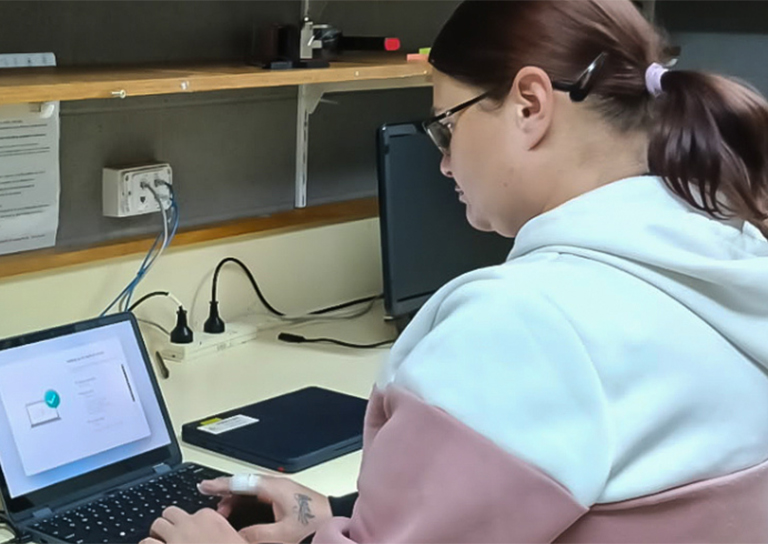
Sabrina Blundell
Job: IT Support Officer
Industry/Sector: ICT
Sabrina Blundell didn’t take the usual path into the world of…Upcoming Events
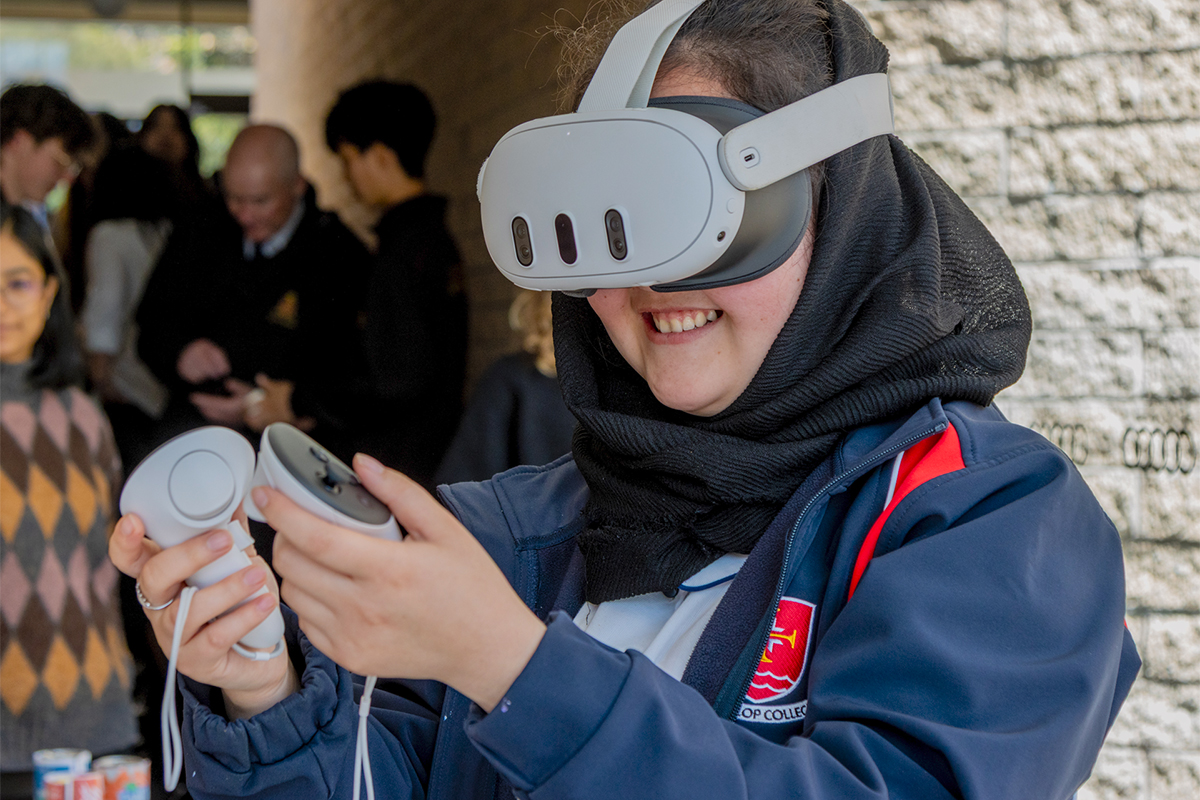
ICT Expo 2026: Inspiring the Next Generation
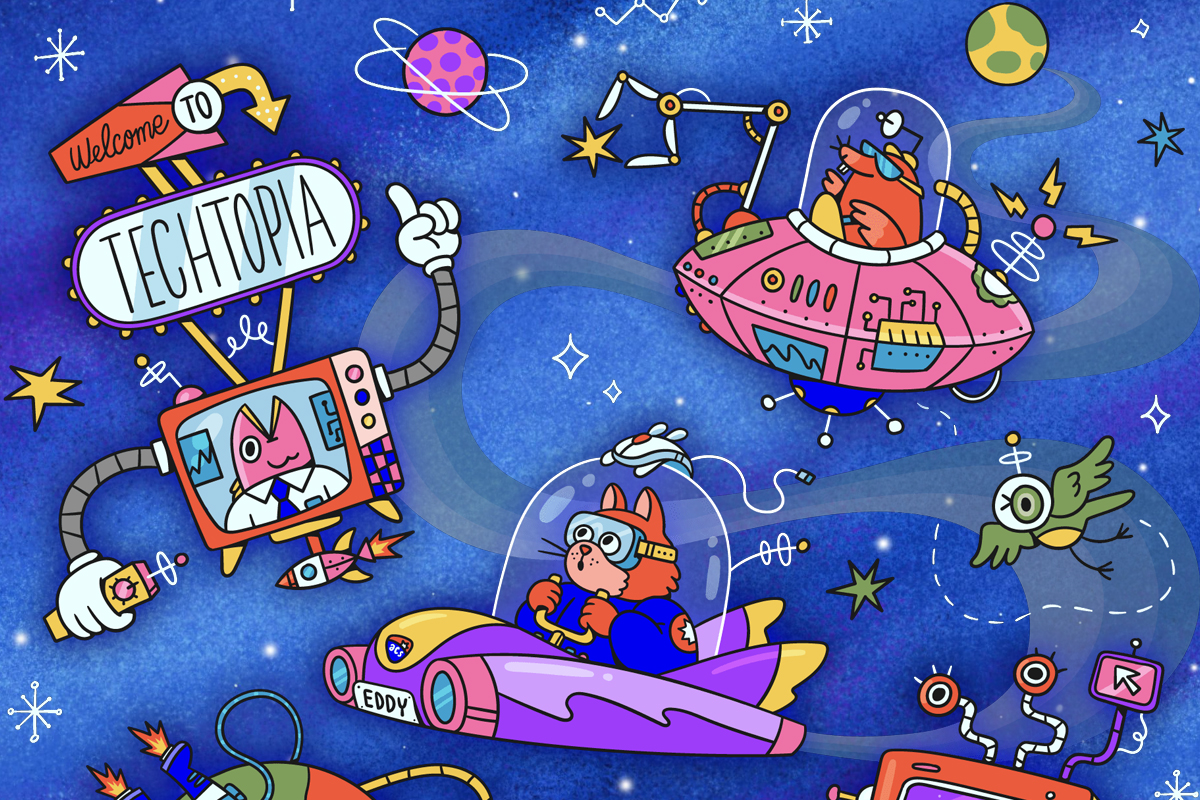
EdCAT 2026 – Welcome to techtopia!