



It’s time to take control of ‘your’ education
In Year 9, you’ll start to take more control of your education. You’re able to choose subjects you’re interested in. By trying these you’ll find out what you enjoy doing and what you’re good at.
Exploring your skills and interests often gives you heaps of clues as to what subjects you might like to choose in Years 10, 11 and 12. Better still, you can get ideas for what you might like to do after Year 12 and what your career path might look like.

Things to Know
Ok. You’ve made it through Years 1 to 8 (nice one!). It’s time to get serious about planning the amazing life that’s ahead of you and the exciting opportunities to come.
Here’s some terminology you’ll want to be familiar with
You’ll hear these acronyms a lot, try and get a handle on them now.
TCE – The Tasmanian Certificate of Education
TCE is the main certificate many students work towards in Years 11 and 12. Check out the TCE explainer video
TCEA – The Tasmanian Certificate of Educational Achievement
TCEA recognises learning for students who follow a different program or pathway. You’ll find heaps of useful info on the TCEA by watching the TCEA explainer video
ATAR – The Australian Tertiary Admission Rank
ATAR means Australian Tertiary Admission Rank. It is a number that universities use to help decide who can get into a course at the completion of Year 12. Check out the ATAR explainer video
VET – Vocational Education and Training
VET is practical learning that helps you build skills for real jobs. Find out more with the VET explainer video
ASbA – Australian School-based Apprenticeship.
An ASbA is an apprenticeship that combines paid work, school study, and nationally recognised training toward a qualification. Learn more about the nuts and bolts of an ASbA.
WbL – Work-based Learning
WbL provides students with structured workplace experiences that build practical skills, industry knowledge, and career readiness alongside their education.
What are your study options for Years 11 and 12
In Tasmania, students must study an Approved Learning Program (ALP). This can be education, training, employment, or combination of activities that a young person participates in after Year 10. An ALP can include:
- Senior secondary subjects at a college or school
- Vocational Education and Training (VET)
- Apprenticeship or traineeship
What are your further education options after Year 12
University
University can help you prepare for careers that need higher qualifications. Tasmanian students can study at the University of Tasmania (UTAS) or apply to universities across Australia. Entry may be based on your ATAR, previous study, or other pathway options.
Vocational Education and Training (VET)
VET focuses on practical, job-ready skills. You can study a Certificate, Diploma or Advanced Diploma in areas such as health, construction, hospitality or technology. VET can lead directly to work or further study.
Apprenticeships and Traineeships
Apprenticeships and traineeships let you earn while you learn. You work with an employer, complete training, and gain a recognised qualification. They are available in trades as well as business, health and community services.
Foundation and Pathway Programs
If you are not ready for your next step, foundation and pathway programs can help. These courses build skills and confidence and can support your move into university, training or employment.
What are the career pathway options and support for young people with disabilities?
Deciding on a career path in high school is a serious challenge for any student. It’s exactly the same for students who may have a disability – why wouldn’t it be? Perhaps you have no idea what you’d like to do after you leave school. Or you might be having doubts about yourself and how your disability will affect your employment, and that’s ok. Just remember, the sooner you start thinking about your career options, and the pathways that can help you get there, the better. Let’s get started!
What support and resources are available for Aboriginal and Torres Strait Islander students?
If you’re an Aboriginal or Torres Strait Islander students, we’ve collected some information to help you explore your options or support the path you’re on. waranta tapilti – let’s go!
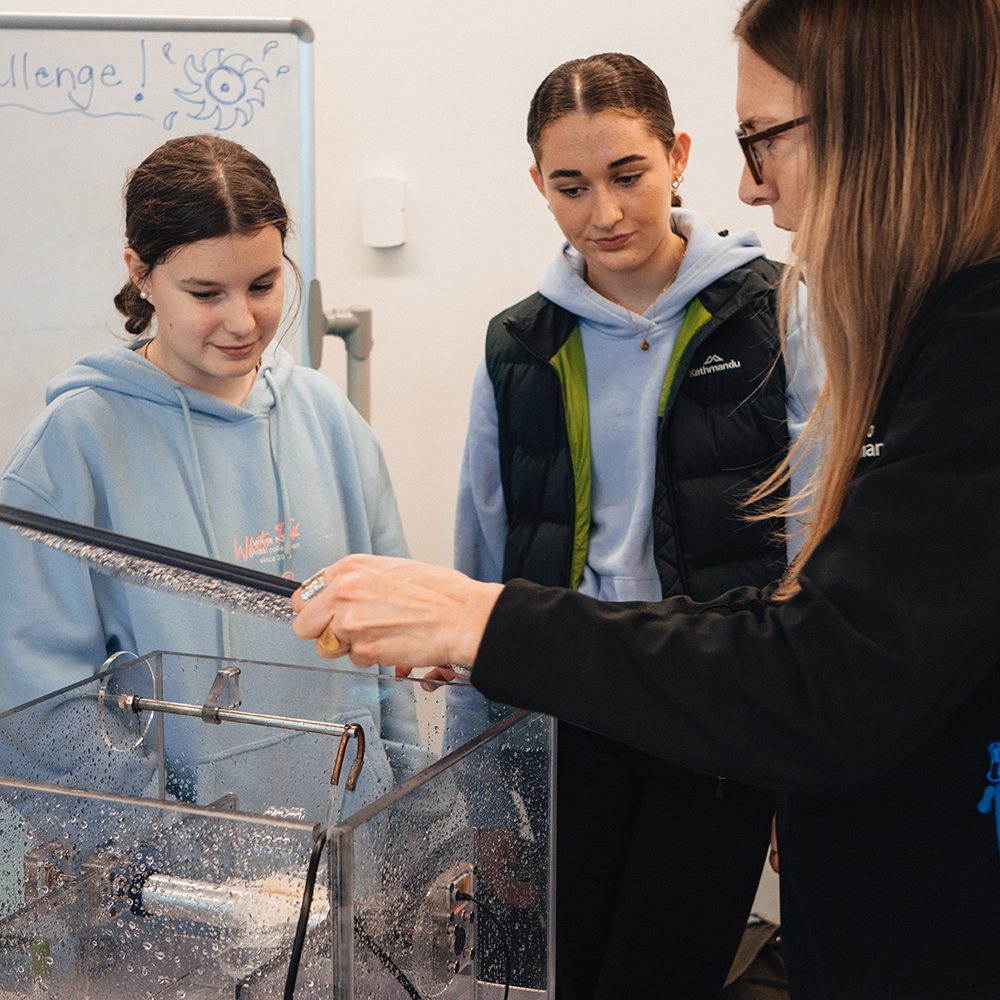
Your Next Steps
From choosing subjects to exploring career options, these important Year 9 actions can help you build confidence and create more opportunities for your future.

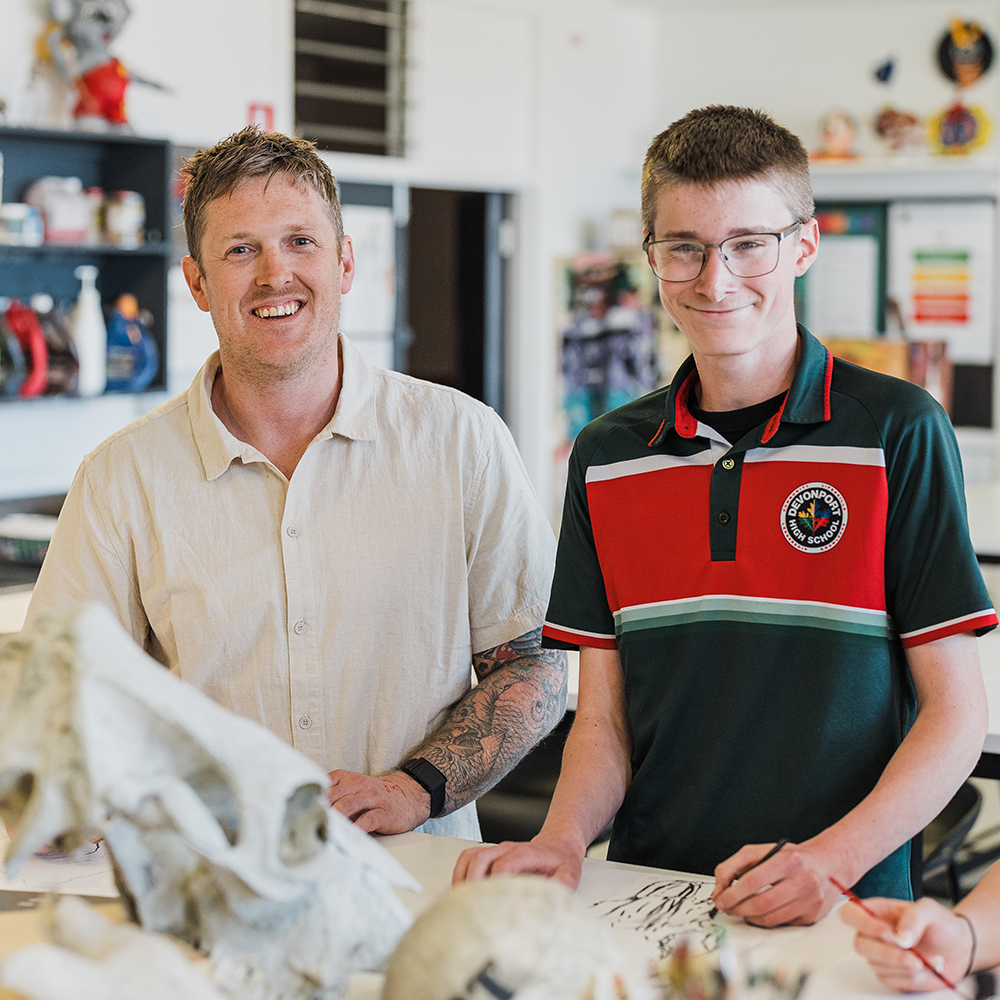
Use your interests to help guide your career
Knowing what your interests are can help you figure out what your career may look like. Not too sure what your interests are? Read the How do I know my interests article to help
Tap into your skills to figure out which subjects to do
Look for subjects that are a good fit with your skills (don’t underestimate yourself, you’ve got plenty of skills). To find out what your skills are read about how your favourite activities can turn into a favourite course or occupation.
Check out what Year 10 subjects are available
Will you continue the electives you chose this year in Year 10? Do you want to mix things up and try some others? The subjects you choose next year will give you the skills to create opportunities in the future. Check out your school course guide on Year 10 subjects.
Thinking of doing any training courses? You’ll need a USI number
USI stands for ‘Unique Student Identifier’. It’s a reference number you’ll need if you end up doing any training courses in the future i.e. like First Aid, Responsible Service of Alcohol, Barista or any VET course. Find out how they work and how to get a USI number
Interested in combing school, work and training to get an edge?
In Year 10 students are eligible to commence and Australian School-based Apprenticeship (ASbA). An ASbA is designed to fit around school while giving you real workplace experience. It combines paid employment with formal training, all linked together in a structured way to support your learning and career development.
As you begin planning for next year, think about whether an ASbA could be part of your future pathway and consider the connections you have made at industry events and expos, as these experiences can open doors to valuable opportunities.

Start Exploring
Have some fun exploring occupation and course ideas you have, and discover new possibilities along the way. See if they fit with your skills, interests, and passions.
Get along to plenty of work exposure events
Attend as many ‘work exposure’ events as possible. It’ll be great for a taste of what you can expect in a chosen job, industry or course. A bit like a ‘try before you buy’, these events help you test any ideas you have, so keep an open mind. Chances are you might discover something that is bang on for you (and if not, then keep trying). Find out more on work exposure events. To see what’s coming up in the next few months in Tassie check out our calendar of events.
Dip your toes in the water with work experience
Try doing work experience to learn what an occupation, industry or business is like to work in. Hopefully it ticks all the right boxes, but if not, then it’s better to find out sooner rather than later. Chat to a teacher or career advisor to find out how this can be arranged.
Want to earn while you learn? Find out about apprenticeships and traineeships
Turn your interests into real-world experience. You can combine study and training with an ASbA during school, or start a full-time apprenticeship or traineeship after Year 12*. Read up on apprenticeships and traineeships.
*Students may start an appreticeship or traineeship in Years 11 and 12 as an Approved Learning Program
Thinking about further education after Year 12 (like uni or TAFE?)
Start thinking about which courses you want to study and what’s required to enrol. Work backwards and figure out which courses you’ll need to study in Years 11 and 12 to get into those uni and TAFE courses.
You can even look at which subjects you can do in Year 10 that will help with those Year 11 and 12 subjects you’ll need to do. It sounds confusing, but it’s just a process.
Visit UTAS courses, visit TasTAFE courses and then delve into the Year 11 and 12 Course Guide.

Get job ready
Develop skills for future jobs while having fun, building confidence, and strengthening teamwork, communication, and responsibility for lifelong success.


Continue to build skills for life and work
Build important skills like communication, teamwork, resilience, and decision-making. These skills can help you do well at school, work, and in everyday life. They also support literacy and numeracy, helping you understand information, share your ideas, and solve problems with confidence.
If there are skills you want to improve, that’s okay – everyone is still learning. There are lots of free ways to get support. Talk to your teachers or school support staff, or explore online resources like:
- DECYP Literacy
- ABC Education (games, videos, and learning activities)
- Libraries Tasmania
- Explore the Careerify resource 8.7 Transferable Skills (link TBA)
You can also get extra help from the Reading Writing Hotline, which supports people with reading, writing, and maths.
Give back to your community and volunteer
Volunteering is a top way to give something positive to your local community. It’s a good opportunity for you to see what different workplaces and jobs are like. You can develop new skills and meet new people too. And it looks pretty impressive on your CV just quietly.
- See what sort of opportunities there are at Volunteering Tasmania.
- Choose organisations that align with your values. Not sure what your values are? Read this article about values.
Could you be a leader? Here’s the perfect way to find out
Give a leadership or peer mentor program role at school a go. It can be a great way to develop skills that employers value. These skills can include:
- working as part of a team,
- public speaking,
- organisation skills,
- supporting people and
- how to deal with conflict.
Talk to the existing leadership team to see if it’s something for you.
Get a Tax File Number (TFN)
If you want a casual job then you’ll need to pay tax to the government on what you earn (sorry ‘bout that). This means you’ll need your very own Tax File Number (TFN) which is like a reference number so they can tax you. Get some useful info on what a tax file number is.
How to go about applying for casual jobs
You’re now at an age where you can find all sorts of casual jobs and earn some money after school. So keep your eyes open, ask around, and get ready to earn some moolah! To help you land a casual job see these handy guides on how to write a CV and what to say in a cover letter.

Key takeaway
Use this year to try all sorts of stuff. This will help you to discover what your interests, passions, skills and values really are.