



We’re all good at something. In fact, chances are you’re pretty awesome at lots of things – even if you don’t always notice them straight away. Your favourite activities often give strong clues about your natural talents, skills, and interests. Recognising what you enjoy and what you’re good at can be really helpful when you’re making career decisions, such as choosing a course to study or an occupation to pursue. When your work aligns with your interests, you’re more likely to feel motivated, confident, and satisfied over time.
If you’re not too sure what you’re good at yet, don’t worry – that’s completely normal. One of the best ways to find out is to reflect on the activities you enjoy most, both in and out of school, work, or everyday life. Think about what you naturally gravitate towards, what makes time fly, or what others often compliment you on. The activities below can help you explore your interests further and start connecting them to possible courses or career pathways. You might be surprised how hobbies and everyday interests can turn into meaningful study options or future jobs.
My favourite activities story
What you’ll need


1. Choose your favourite activity
Ok. Now think of an activity you love to do or that’s special to you. Some examples could be:
- Fixing the car with my uncle
- Babysitting my niece and nephew
- Fishing with mum
- Gaming with my mate
- Baking
- Walking my dog
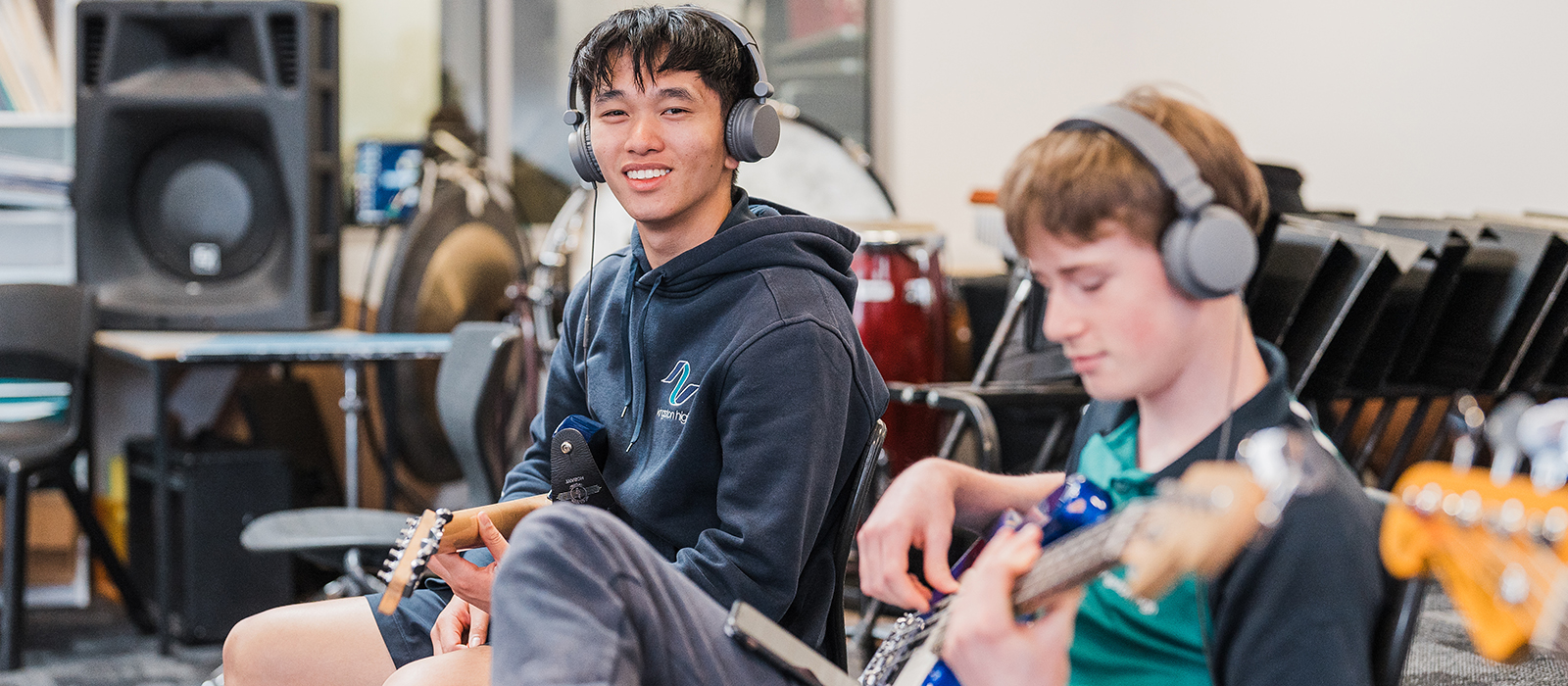
- Playing my guitar
- Gardening with my Nan
- Making TikToks
- Bushwalking with friends
- Shopping for clothes and accessories
2. Write a story
Now try and write a story about one time you did the activity. Here are some questions to help get you get started:
- When did it happen?
- Who was with you?
- What did you actually do? Try and think step-by-step and don’t leave anything out.
- How did it make you feel?
- If someone else were to do the activity, what would they have to do?
- What stands out in your mind about this particular activity, and this one time?
- What made the experience good for you?
3. Time to reflect
How did you go with this exercise? Great memories huh? Once you’ve finished your story, take some time to reflect and ask yourself:
- What does your favourite activity say about your skills, abilities and talents?
- What particular skills did you use?
- What are the abilities you tend to be very good at without even trying? And did you use these in your experience?
- What special talents did you draw on?
- Have a chat to a family member, a Career Practitioner, a teacher or a friend who knows you well. Ask for their perspective on the abilities, skill and talents your story highlights.


My favourite courses activity
You might find clues to some of your natural ‘awesomeness’ by looking at your school subjects. Or courses that you’re good at.
- List: You could start by making a list of your current school subjects. Jot down your past assessments for these subjects.
- Tick: Mark the subjects in the list that you tend to enjoy more with a tick. (You don’t have to be the smartest in the class – it’s the ones you like the most).
- Reflect: Look over the list. What does it say about the types of courses you enjoy? Do they have anything in common that link them? Are they more English and Drama based, for example, or are there more ticks near Maths or Science?
Skills and talents chat
Taking time to talk about your skills and talents can help you recognise what you’re naturally good at and what you’ve learned over time – sometimes without even realising it. These skills often grow through everyday experiences rather than formal lessons, and reflecting on them can build confidence and self-awareness.
You could have a thoughtful conversation with your parents or carers about the skills and talents you’ve developed so far. This doesn’t need to be formal – it can be a relaxed discussion where everyone shares observations. Parents and carers often notice progress, strengths, or patterns in your interests that you might take for granted.
Think about the different areas of your life where skills may have developed, such as:
- At home – helping with tasks, caring for others, managing your time, or showing responsibility
- In your leisure time – hobbies, creative pursuits, sports, gaming, or problem-solving activities
- At school – group work, presentations, practical tasks, leadership roles, or particular subjects
- In the community – volunteering, clubs, teams, cultural activities, or part-time work
As you talk, work together to create a list of your talents and skills. Try to include both practical skills (like building, organising, cooking, or using technology) and personal skills (like communication, teamwork, persistence, creativity, or empathy). Remember that skills don’t have to be “big” achievements—they can be everyday abilities that show how you work with others or approach challenges.
You might also reflect on moments where:
- You felt confident or proud of what you were doing
- Others relied on you or praised your efforts
- You overcame a challenge or learned something new
This shared list can become a helpful reference for later, when you start thinking about subjects, courses, or future work options. Understanding your skills and talents now can make it easier to see how your experiences and interests could grow into further learning or career pathways in the future.
Skills questionnaire
This is another great exercise to try. The myfuture Skills activity helps you to identify the skills you may like using at work. Different occupations require different skills. Identifying your skills can assist in planning your career pathway.
- Connect to myfuture and login to your myfuture account. Choose Students > My Career Profile and do the Skills activity.
So how did you go with all that?
Can you see any similarities and patterns in:
- The skills that you used in your favourite activity?
- Your best school subjects or courses?
- Special talents or skills and your myfuture skills? For instance, you might like bushwalking. Or be good at PE, enjoy physical exercise, and love doing lots of outdoor stuff.
You can find all sorts of amazing occupations and courses that fall within this type of criteria.
Key takeaway
Think about the things you enjoy doing and the things you’re good at. Your favourite activities can lead to all sorts of amazing courses and occupations that are a great fit for you.
*Poehnell, G. & Amundson N. E. (2011). Hope-filled engagement: New possibilities in life/career counselling. Richmond, BC: Ergon Communications.